












































Adobe Creative Cloud Pro Vs Standard Which Plan is better?

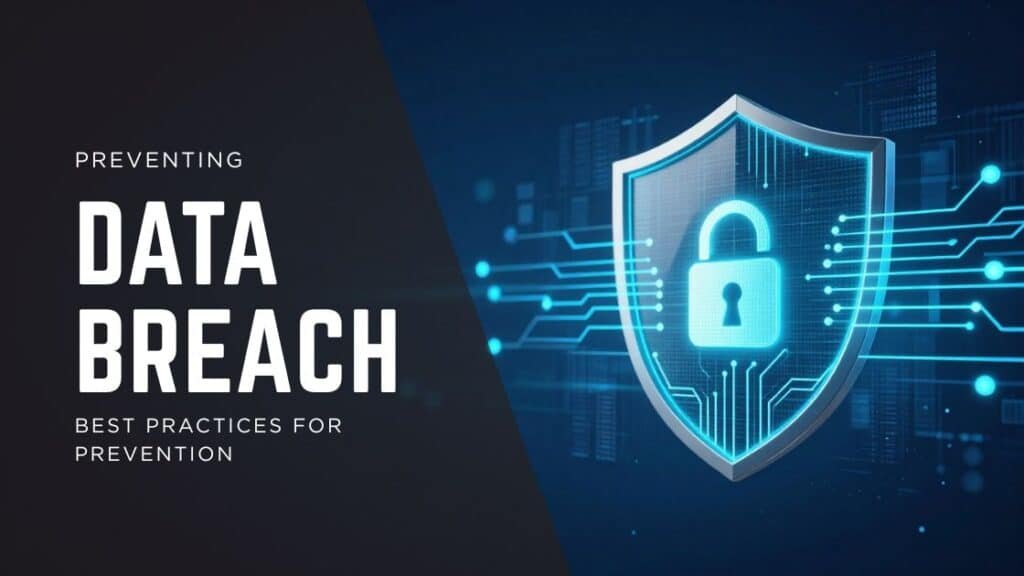
When it comes to preventing a data breach, you always need to understand that your data is never safe. There are always new technologies that appear, and new vulnerabilities that you may have to deal with. The most important thing is to never give up and figure out what method is suitable for staying away from data breaches. You have some great best practices that you need to check out, and here’s what you need to consider at this particular time.
Ideally, you need to have a very good understanding of the data that gets collected, where the data is saved, but also the financial records and where they are placed. Knowing where the data is, who gets access to it and how, all of those things will help make the experience better. And in the end, that’s exactly what will help set it apart from many other options.
As we said earlier, you need to ensure that you have a good understanding of who gets access to the data and how they get it. And the most important thing is to have role-based access controls, along with multi-factor authentication, regular access audits, privileged access management and so on. The main idea here is to focus on removing access to sensitive data in the case of everyone, and only allow access to those that actually need it. Yes, it can work extremely well, and in the end it will give you a much better and more cohesive experience.
That might not seem like a major issue, and that’s why a lot of people forget about it. But the truth is that you always want to update your software and systems, and ensure everything is running smoothly. That means you have to maintain an inventory of hardware and software, subscribe to the vulnerability databases and security bulletins, but also test patches and do automated patch deployment. That way, you ensure that the system is entirely in control and everything runs the way it should. You won’t have to deal with any concerns or issues, and the ROI is extremely good.
A good rule of thumb is to always make sure that you are encrypting the sensitive data where possible. Try to encrypt it both at the rest points, but also in transit as well, where possible. And of course, you also want to extend encryption practices even to backups. That way, you can make sure that none of the data, even a backup, will end up having any issues. It’s a great system that works super nicely, and it eliminates a lot of potential issues and worries that arise.
That’s the problem, a lot of the time data breaches come from random entry points generated by your team. In order to avoid that, a very good idea is to just go ahead and train your employees properly. Define their roles, find the best step by step procedures for eradicating threats, and make sure that you do a post-incident review procedure. It will make it easier to identify any lessons that you learned, and it will remove a lot of unwanted issues.
The way you tackle any breaches is very important. And realistically, you don’t want to wait for a breach to see what might happen. The thing you want to do is to narrow down a system through which you will solve any breach before it happens. Or if it takes place, you will have the right process in place. It’s a very good idea to consider and it will certainly streamline things more effectively in the end.
You always want to check and see if there are any specific network issues that you are facing. And that means having intrusion detection and prevention systems, security information and event management systems, as well as regular log reviews. If you keep the network under constant monitoring, things will be much easier to manage. It becomes better to focus on the situation at hand, and if you encounter any issues, you will be facing those in real time. That just goes to show the consistency you can get from these systems, and the overall value.
Clearly, when it comes to data breaches, you always need to be prepared no matter what. At the end of the day, it’s imperative to have systems in place that help protect you from unwanted breaches. And if possible, you also want to train your team as quickly as possible. It will help alleviate concerns, and it will give you the much-needed clarity when it comes to what you can do and how you can approach the situation at hand every time.