
































Text-to-vector AI, a powerful new feature for CorelDRAW designers!

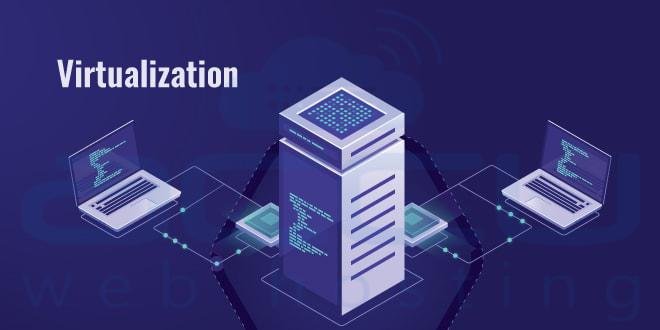
Using virtualization has become incredibly important in today’s world, for many reasons. It allows us to abstract physical hardware and create virtual versions of different computing resources. While at first it was a niche concept, today virtualization is used for a variety of use cases, and it continues to provide continued, consistent results that are downright impressive.
Virtualization is a process through which you are creating a virtual version of computing resources. Those can be anything from operating systems to networks, storage devices or servers. It uses a hypervisor to separate the hardware from the operating system. In doing so, you can have multiple virtual machines to run on a single, physical system.
The thing to note about virtualization is that you can encounter different types. Each one has its own requirements and use cases, as follows:
The great thing about virtualization is the fact that it gives you amazing advantages which make it essential in today’s IT world. One of the benefits is that you have a great cost reduction. As an organization, you will be able to reduce expenses related to physical space, cooling requirements, power consumption and hardware purchases.
Additionally, you can have better CPU usage and memory allocation, not to mention you can get dynamic resource scaling. There’s also the upside of having flexibility and scalability with virtualization in IT. And of course, there’s also enhanced disaster recovery too, not to mention you will access a simplified management system as well. With virtualization you even get improved security, something that will help a whole lot more than expected.
The upside with virtualization is that it enables resource pooling and cloud platforms use it for multi-tenancy. It’s widely used in things like Software as a Service, IaaS, PaaS and so on. Without the virtualization being present, cloud computing systems would not be scalable and as flexible as they are at this time.
Using virtualization is a great idea, and these days there are tons of different ways for you to take advantage of it. A very popular use case is in data centers, where you can improve efficiency with it, consolidate servers and reduce the operational costs. For development and testing, you can test applications safely, simulate different operating systems or quickly replicate environments.
It can be just as good for legacy app support, since you don’t need older hardware to run the apps. And of course, it can be a solid option to consider for remote work and virtual desktops. You will be able to work from anywhere, while maintaining secure access to the company systems.
With that being said, you will have different challenges related to virtualization. There’s performance overhead, and the virtualization system itself is quite complex in its own right. Additionally, you will encounter some security risks. Plus, there are licensing costs to consider, which could be on the expensive side.
Virtualization is continually growing, and we are seeing upticks in usage for this solution. We expect it to get even better, especially with trends like edge computing, AI and automation, containerization or hybrid and multi-cloud environments. One thing is certain, virtualization is very useful, and it already serves as a foundation for modern data centers and cloud computing. However, it can be just as good for regular users as well, who want to access older software or optimize their workflow. That’s why virtualization is incredibly powerful, and easily adaptable to any use case.